
Overview
The gaming calendar is poised on the brink of a seismic moment: the last weekend of the Talking Point "What Are You Playing This Weekend?" series arrives just days before Rockstar Games unleashes the long‑awaited Grand Theft Auto VI. For a community that has weathered years of speculation, delayed launch windows, and an ever‑expanding roster of next‑gen titles, this final waypoint feels less like a routine poll and more like a collective breath‑hold before a cultural thunderclap. Publishers and platform holders alike are keenly aware that the launch window for GTA VI will dominate headlines, advertising spend, and shelf space, forcing every other title released in the same period to either ride the coattails of the hype or carve out a niche through strategic differentiation.
Simultaneously, Nintendo’s recently unveiled Switch 2 has begun to reshape expectations for legacy franchises, with a high‑fidelity remake of The Legend of Zelda: Ocarina of Time leading the charge. While the original N64 masterpiece defined 3D adventure gaming in 1998, its modern incarnation on the hybrid console offers a striking blend of nostalgic fidelity and technical polish that highlights how retro‑centric projects can act as flagships for new hardware. This convergence of a blockbuster open‑world sequel and a lovingly re‑engineered classic illustrates the broader industry trend of leveraging both brand heritage and next‑gen horsepower to sustain consumer engagement across divergent market segments.
What Happened?
In Issue 658 of the Talking Point series, community contributors were invited to share their weekend play plans, with the overarching narrative framing the discussion as the "final WAYP before GTA 6." The editorial tone underscores a palpable sense of anticipation, noting that the collective gaming agenda is about to be eclipsed by one of the most high‑profile releases in modern console history. Among the submissions, veteran writer Liam Croft highlighted his intent to finish the Switch 2 remake of Ocarina of Time, a personal milestone that doubles as a barometer for how the new hardware handles beloved IPs. Croft’s remarks also touch on the emotional disconnect he feels—while he lacks the original’s nostalgia, he still perceives the remake as a "something special" experience, hinting at the delicate balance developers must strike between reverence and innovation.
The announcement itself did not reveal new gameplay footage or release dates, but it functioned as a strategic reminder that the weekend’s agenda is a microcosm of larger market dynamics. By positioning the Zelda remake alongside the looming GTA VI launch, the piece implicitly acknowledges the competitive pressure on Nintendo to secure attention in a window traditionally dominated by Rockstar’s marketing juggernaut. Moreover, the mention of Switch 2’s capability to deliver a faithful yet technically superior version of a 1998 classic serves as a subtle showcase of the console’s upgraded GPU, faster SSD, and refined controller ergonomics—all of which are being leveraged to attract both legacy fans and next‑gen adopters.
Analysis
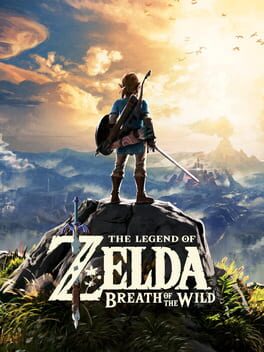
The timing of this final Talking Point edition is no accident; it reflects a calculated effort by media outlets to capture the zeitgeist just before a market‑shaking release. Historically, blockbuster launches like GTA V in 2013 generated a ripple effect that boosted sales of peripheral titles released within a six‑month corridor, as consumers stocked up on hardware and digital credits. However, the current landscape is more fragmented, with subscription services, cross‑platform play, and cloud gaming diluting the impact of a single marquee event. Nintendo’s decision to foreground a Zelda remake on the Switch 2 indicates a strategic pivot toward leveraging nostalgia to drive hardware adoption, a tactic that proved effective with the original Switch’s launch in 2017 when titles like The Legend of Zelda: Breath of the Wild acted as system sellers.
From a publisher perspective, Rockstar’s impending GTA VI release will dominate advertising budgets and shelf visibility, potentially siphoning attention away from other high‑profile releases. Yet this also creates an opportunity for titles that occupy complementary niches—such as a polished, single‑player adventure on a hybrid console—to capture the segment of gamers seeking a more curated, story‑driven experience amidst the chaos of open‑world mayhem. The technical enhancements of the Switch 2, combined with a polished remake, position Nintendo to claim a share of the post‑launch market, especially among players who prefer a less frenetic, more introspective weekend gaming session.
XPLog Opinion
At XPLog UK we view the confluence of a GTA VI launch and a Zelda remake on the Switch 2 as a litmus test for the industry’s ability to juggle blockbuster spectacles with heritage stewardship; the success of the latter will signal whether Nintendo can maintain relevance in a market where headline‑grabbing franchises increasingly dominate consumer spend, and we believe the polished Ocarina experience will prove a decisive factor in convincing skeptics that the Switch 2 is more than a modest upgrade—it is a legitimate next‑gen platform capable of delivering both nostalgic reverence and forward‑looking performance.
Final Thoughts
As the weekend draws to a close and the world prepares for GTA VI’s historic debut, the gaming community will be watching how the Switch 2’s Zelda remake holds its own in a crowded calendar; the coming months—particularly the Q4 2026 release window for GTA VI and the early 2027 firmware updates for Switch 2—will reveal whether heritage titles can still command attention alongside next‑gen spectacles, and those dates will be the key milestones for analysts tracking the evolving balance between nostalgia‑driven sales and breakthrough hardware adoption.