
Overview
The gaming industry has entered an era where the past is continually resurrected with a glossy veneer of next‑gen power, and Shrek 2 Remastered for PlayStation 5 epitomises this trend. The original 2004 title arrived at the height of the movie‑tie‑in boom, a period when studios rushed to cash in on cinematic franchises, delivering experiences that ranged from the embarrassingly shallow to the surprisingly ambitious. While the Shrek franchise itself was a cultural juggernaut, its first foray onto consoles was hampered by the technical limitations of the PlayStation 2 and Xbox, leaving many of the film’s comedic beats and environmental charm muted by low‑resolution textures and clunky controls. Fast‑forward two decades, and the same intellectual property is being reborn on hardware capable of ray‑traced lighting, 4K resolution at 60 fps, and haptic feedback that can make an ogre’s swamp‑step feel visceral.
Beyond the nostalgic pull, the release sits squarely within a broader commercial strategy that sees publishers mining their back catalogues to fill release calendars increasingly crowded with big‑budget sequels and live‑service titles. Sony’s PlayStation 5 ecosystem has been bolstered by a steady stream of remasters—from the Ratchet & Clank: Rift Apart‑compatible collections to the critically lauded Resident Evil 2 remake—each serving to attract both legacy fans and new players seeking a low‑commitment entry point. In this climate, a polished Shrek 2 Remastered not only promises a modest boost to PS5’s library depth but also signals to third‑party developers that classic IPs can still generate viable sales when paired with modern technical polish and strategic marketing.
What Happened?
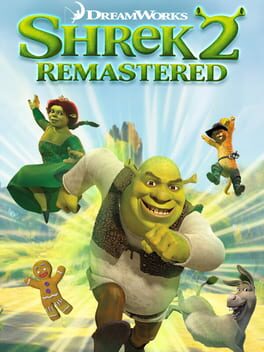
Earlier this week, DreamWorks Interactive, in partnership with a seasoned porting studio, announced the launch of Shrek 2 Remastered exclusively for PlayStation 5. The revamped edition rebuilds the game’s world from the ground up, employing the console’s GPU to render the swamp, Far Far Away castle, and bustling cityscapes in crisp 4K textures, while leveraging ray‑tracing to give water and foliage a newfound sheen. Frame‑rate stability has been a focal point, with the title targeting a consistent 60 fps experience, and the DualSense controller’s adaptive triggers have been mapped to the ogre’s iconic “donkey‑kick” attacks, adding a tactile layer that the original could never have imagined.
Accompanying the technical overhaul, the developers have refreshed the audio mix, integrating the original voice cast where possible and re‑recording key lines to meet modern standards. In a developer interview, the lead programmer cited the “golden age of movie‑based games” as both inspiration and cautionary tale, noting that the team deliberately avoided the pitfalls of rushed tie‑ins by allocating a full year of development time for quality assurance and performance optimisation. Marketing material positions the remaster as a family‑friendly gateway title, aiming to capture the attention of both millennials who grew up with the original film and a younger generation discovering Shrek’s humor for the first time.
Analysis
From a market performance perspective, Shrek 2 Remastered enters a crowded niche where nostalgia alone does not guarantee commercial success. Recent data shows that remastered titles that merely upscale graphics without substantive gameplay enhancements tend to experience steep drop‑off rates after the initial launch window. However, the inclusion of haptic feedback, a refined control scheme, and a meticulous visual overhaul positions this edition closer to a true remake, aligning it with the higher‑earning tier exemplified by titles such as The Last of Us Part I and Horizon Forbidden West’s DLC expansions. Moreover, the PS5’s subscription services, particularly PlayStation Plus Extra, could amplify the game’s reach by bundling it into monthly line‑ups, driving both active user counts and cross‑sell opportunities for upcoming DreamWorks licences.
Competitively, the release pits Shrek 2 Remastered against a wave of legacy platformers and action‑adventure revivals that are vying for the same demographic slice—players seeking familiar narratives with a modern polish. While the game lacks the competitive multiplayer component that fuels long‑term engagement for titles like FIFA or Call of Duty, its single‑player focus may actually work to its advantage in an ecosystem increasingly saturated with live‑service fatigue. The strategic timing—coinciding with the summer holiday season and a lull between major blockbuster releases—provides a clear window for the title to capture discretionary spending, especially among families looking for accessible, story‑driven entertainment on the newest console generation.
XPLog Opinion
At XPLog UK we view Shrek 2 Remastered as a calculated, low‑risk maneuver that underscores a shifting paradigm: legacy IPs are being repurposed not merely as cash‑cows, but as strategic anchors for ecosystem growth. By delivering a technically competent and lovingly re‑imagined experience, DreamWorks and its partners demonstrate that even a franchise once dismissed as “just a cartoon” can command serious attention when treated with respect and modern development resources. This move also sends a subtle message to other mid‑tier publishers—if you can resurrect a 2000s movie tie‑in with genuine care, you can potentially rejuvenate a whole catalog of dormant titles, enriching the console’s value proposition without the overhead of a brand‑new AAA launch.
Final Thoughts
Shrek 2 Remastered arrives as a testament to how nostalgia, when fused with contemporary technology and thoughtful design, can still carve out meaningful market share in today’s crowded gaming arena. While it may not rewrite the rules of the industry, its success—or lack thereof—will inform how publishers approach the delicate balance between heritage preservation and innovation. Players should keep an eye on post‑launch patches, community reception metrics, and any forthcoming announcements from DreamWorks that could hint at a broader revival strategy for the franchise throughout 2027 and beyond.