.png)
Xbox Dev Direct returned in 2026 with a compact, developer-led format that proved consistently effective. Four projects received extended windows to demonstrate their design philosophies and gameplay loops, and the result was a steadier, more informative showcase than the usual flood of quick reveals. Forza Horizon 6, Beast of Reincarnation, Kiln and Fable each benefited from the breathing room — two in particular stood out, and one dominated the conversation.
Developer Direct’s format works
The decision to allot roughly 10–15 minutes per title paid dividends. It allowed teams to explain systems rather than simply tease spectacle, and it put scale and nuance ahead of hype-driven trailers. That approach served all four games, from the AAA vistas of Forza Horizon 6 to the smaller, more experimental instincts of Kiln. Developer commentary, visible HUD demonstrations and extended gameplay segments made the presentations feel substantive rather than purely promotional.
Forza Horizon 6: refinement on a broad canvas
Forza Horizon 6 impressed through sheer scope and polish. The segment emphasised environmental variety and a tighter sense of progression, presenting a clear evolution rather than a radical departure. Visual fidelity, dynamic conditions and an expanded customisation suite were the main takeaways, and the team framed those elements in a way that suggested ambition without overreach. The title remains the showcase’s technical anchor.
Beast of Reincarnation and Kiln: bold ideas given room to breathe
Beast of Reincarnation leaned into experimental combat loops and a distinct tone, using its slot to clarify mechanics that might have been lost in a larger showcase. The longer segment allowed for explanations of progression and world systems that made the game’s conceit feel coherent and inviting.
Kiln proved the other strong showing outside the AAA space. Its presentation focused on atmosphere and handcrafted encounters, which emerged as a selling point precisely because developers could dig into pacing and player intent. Kiln’s slot reaffirmed the value of Dev Direct for mid‑sized teams that need narrative and design space to communicate what makes their game unique.
Fable: charm, personality and the moment
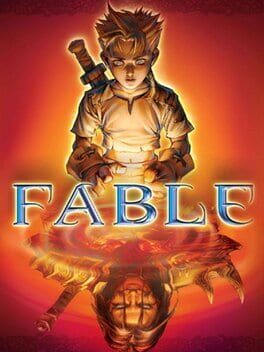
Fable took the crown for headline moment and public reaction. The segment leaned into the series’ trademark humour and toybox design, offering a clear tone that contrasted with the more technical presentations. Playful flourishes and a wealth of little mechanical hooks — including the now widely discussed chicken interactions — crystallised into a demonstration of what Fable intends to be: a warm, player‑driven RPG with heart and bite.
The showstopper quality came from the combination of personality and clarity. Where some reveals rely on spectacle, Fable’s presentation communicated confidence about its identity. That clarity, paired with a few genuinely amusing beats, ensured the title dominated social feeds and post‑show commentary.
What Dev Direct should keep doing
Keeping the developer‑first format is the obvious takeaway. Longer segments, developer insight and a willingness to showcase systems rather than strictly cinematics benefit both consumer understanding and developer storytelling. That approach also helps smaller projects stand beside blockbusters without being drowned out.
Xbox’s 2026 Dev Direct suggested a healthy slate and a clearer communications strategy. Fable captured hearts and headlines, but the event’s true victory was structure: allowing each game to be seen and judged on its own merits.
Expectations for the year ahead are now higher across the board, with several very different visions of what an Xbox game can be given room to shine.