
Overview
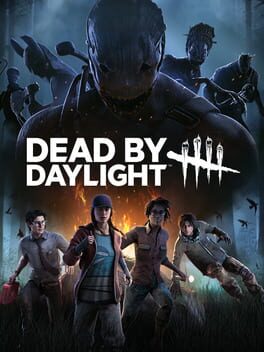
In an era where asymmetrical multiplayer has become a cornerstone of both blockbuster and indie experiences, the announcement of Worst Class Ever arrives like a bell ringing over a crowded hallway. From the early days of titles such as Dead by Daylight and Evolve, the genre has been defined by a clear power imbalance – one player or team wielding superior capabilities against a larger, often less-equipped opposition. Yet the market has shown a growing appetite for fresh thematic twists that move beyond horror or sci‑fi tropes, seeking settings that resonate with everyday nostalgia while still delivering high‑stakes tension. The schoolhouse, with its built‑in hierarchy of teacher versus students, offers an instantly recognizable stage where the asymmetry feels natural, and the stakes are humorously high.
Beyond the novelty of a chalk‑dust battlefield, the timing of this reveal dovetails with a broader industry shift toward games that blend social satire with robust multiplayer loops. The last few years have seen titles like Among Us and Project Winter capitalize on the social deduction model, proving that players are hungry for experiences that reward psychological play as much as mechanical skill. Worst Class Ever positions itself at the intersection of these trends, promising a teacher‑centric role that must parse genuine student behavior from AI‑driven NPCs, turning the classroom into a live‑action whodunit where the “naughty” children are hidden among the crowd. This premise not only taps into a universal cultural memory of schoolyard mischief but also leverages the growing sophistication of AI behavior trees that can simulate believable, yet unpredictable, student actions.
What Happened?
The development studio behind the project, a modest indie outfit known for its narrative‑driven experiments, unveiled a teaser trailer during the recent Indie World Expo. The footage showcases a dimly lit classroom where a single teacher avatar, equipped with a ruler, a stack of detention slips, and a keen eye for pattern recognition, surveys a bustling room of animated children. The core loop, as described by lead designer Maya Patel, revolves around the teacher identifying a handful of “troublemakers” who are subtly sabotaging the lesson – all while the rest of the students are scripted NPCs performing routine tasks like raising hands, passing notes, or doodling. The teacher must balance vigilance with limited resources, calling out suspects before the timer runs out, lest the class descends into chaos.
According to the studio’s press release, the game will support up to eight players: one teacher versus up to seven student participants, each with unique prank kits ranging from harmless whoopee cushions to more elaborate distractions like chalk‑dust clouds that temporarily blind the teacher’s view. The developers emphasized a “dynamic suspicion meter” that updates in real time based on player actions and AI cues, promising a constantly shifting landscape where no two rounds feel the same. Early beta feedback, gathered from a closed community of streamers and university game design programs, highlighted the tension between strategic deception and the comedic timing that the school setting naturally encourages.
Analysis
From a market perspective, Worst Class Ever could carve out a niche that sits comfortably between the high‑octane competition of mainstream asymmetrical shooters and the more relaxed, party‑game oriented titles that dominate the indie space. Its success hinges on several technical and design factors: the fidelity of AI behavior to convincingly blend with human players, the robustness of netcode to handle rapid suspicion updates, and the scalability of the “teacher” role to remain engaging over long play sessions. Competitors such as Secret Neighbor have demonstrated that a well‑executed hide‑and‑seek mechanic can sustain a vibrant community, but they also revealed the pitfalls of imbalance when one side feels over‑powered. By granting the teacher a suite of investigative tools rather than raw firepower, the developers aim to mitigate frustration while preserving the core thrill of deduction. Moreover, the game’s thematic focus aligns with the growing trend of “social satire” in gaming, where familiar institutions are reimagined as playgrounds for competitive interaction, a direction that has resonated strongly with younger demographics on platforms like Twitch and TikTok.
XPLog Opinion
At XPLog UK, we view Worst Class Ever as a bold experiment that could redefine how asymmetrical multiplayer leverages everyday settings to deliver fresh psychological gameplay. The school motif is more than a nostalgic veneer; it provides an inherent power structure that is instantly understood, allowing developers to focus on depth rather than exposition. If the studio can deliver the promised AI‑human blend without the common pitfalls of latency‑induced suspicion lag, the title stands to become a staple of the “party‑deduction” sub‑genre, offering both casual appeal and the strategic depth that core gamers crave. Its success will also signal to larger publishers that there is still fertile ground for low‑budget, high‑concept titles that prioritize clever design over graphical fireworks.
Final Thoughts
In sum, Worst Class Ever arrives at a moment when the gaming community is eager for experiences that marry social interaction with clever asymmetry, and its school‑yard premise could serve as the perfect laboratory for testing new mechanics. With a slated early access launch in Q2 2027 followed by a full release later that year, the title will be one to watch as it navigates the delicate balance between humor, competition, and technical execution. Players and analysts alike should keep an eye on community feedback during the beta phase, as it will likely dictate whether the game can graduate from a quirky concept to a lasting fixture in the multiplayer landscape.