
Overview
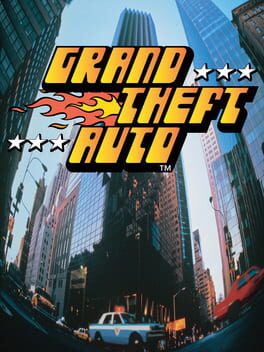
Eurogamer’s decision to dedicate three consecutive weeks to a blend of Grand Theft Auto‑related and non‑GTA programming is more than a simple promotional push; it is a strategic maneuver that reflects the shifting dynamics of how gaming journalism aligns itself with blockbuster releases. In an era where a single title can dominate the cultural conversation for months, the traditional news cycle—once dictated by weekly releases and patch notes—has been supplanted by marathon‑style coverage that seeks to capture the sustained hype, community speculation, and ancillary content that orbit a flagship franchise.
The timing of this initiative is crucial. Grand Theft Auto VI, slated for a 2026 launch, has already generated a level of anticipation comparable to the early days of the PlayStation 2 era, with pre‑order figures and social‑media chatter eclipsing many entire genres. Eurogamer’s expanded programming, initially conceived as a single theme week, now stretches across nine days, indicating both the depth of material at their disposal and a recognition that the GTA brand will continue to dominate discourse far beyond any conventional editorial window. This approach mirrors similar extended coverage models employed by outlets covering esports tournaments and major live‑service updates, signalling a broader industry trend toward immersive, event‑driven content strategies.
What Happened?
The announcement outlines a three‑week slate that interweaves classic GTA retrospectives, developer interviews, community‑generated fan theories, and a surprising assortment of “not‑GTA” features that explore adjacent genres such as open‑world RPGs, sandbox simulations, and crime‑drama narratives. By juxtaposing the franchise’s legacy with its contemporaries, Eurogamer aims to provide context for both veteran fans and newcomers, while also highlighting the evolution of open‑world design philosophies that GTA helped popularize. The programming will be delivered across multiple platforms—including written articles, video essays, and live‑streamed panels—ensuring a cross‑medium reach that caters to the diverse consumption habits of today’s core gamer demographic.
Eurogamer has also secured exclusive commentary from several key figures at Rockstar Games, including senior designers who will discuss the technical challenges of rendering a next‑generation cityscape at a scale never attempted before. In addition, the outlet promises deep‑dive pieces on the legal and ethical considerations of depicting criminal activity in interactive media, a topic that has resurfaced amid recent regulatory scrutiny in Europe and North America. By embedding these discussions within the broader programming schedule, Eurogamer not only enriches the narrative surrounding GTA VI but also positions itself as a thought leader on the societal implications of immersive sandbox experiences.
Analysis
The move to a prolonged, thematically rich coverage window carries significant market implications. For publishers, sustained media focus translates into prolonged brand visibility, which can bolster pre‑order momentum and justify higher launch‑day pricing strategies. From a competitive standpoint, other major outlets are likely to emulate this model, potentially leading to a crowded landscape of marathon coverage that could dilute audience attention unless differentiated by exclusive content or innovative formats. Moreover, the inclusion of “not‑GTA” programming hints at a strategic hedge: should GTA VI encounter delays or reception challenges, Eurogamer retains a reservoir of related content to maintain traffic and advertiser interest.
Technically, the undertaking demands robust editorial coordination and a flexible production pipeline capable of delivering high‑quality assets on a tight schedule. The integration of live‑streamed panels, especially those featuring Rockstar talent, requires real‑time moderation and rapid post‑production turnaround to capitalize on the fleeting buzz generated during each session. This operational complexity underscores a broader industry shift where media entities must function as hybrid content studios, blending journalism with event production to meet the expectations of an audience accustomed to instant, immersive experiences.
XPLog Opinion
From XPLog’s perspective, Eurogamer’s marathon is a bold affirmation that the GTA franchise remains the linchpin of the open‑world market, and its cultural gravity is now strong enough to sustain a multi‑week editorial ecosystem. While the risk of oversaturation exists, the thoughtful inclusion of complementary titles and critical discourse demonstrates a maturity that transcends mere hype‑pumping, offering readers a nuanced understanding of how Rockstar’s design language has permeated the wider industry. This approach not only serves the core gamer community by delivering depth and context but also sets a benchmark for how gaming journalism can evolve into an event‑centric medium without sacrificing analytical rigor.
Final Thoughts
In sum, Eurogamer’s three‑week GTA‑focused programming is a micro‑cosm of the broader transformation occurring within gaming media: a pivot toward sustained, multi‑platform storytelling that leverages blockbuster titles as cultural anchors. As the launch window for GTA VI narrows, observers should watch how this extended coverage influences pre‑launch sentiment, advertising spend, and the competitive responses of rival outlets. Key dates to monitor include the first live‑streamed developer panel slated for early October and the final “not‑GTA” feature drop in late November, both of which will serve as barometers for the success of this ambitious editorial experiment.